
Internal MedicineCardiovascular Medicine
Pulmonary hypertension
Disease overview
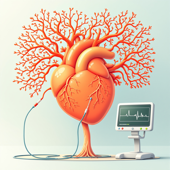
Pulmonary hypertension refers to a pathophysiological state characterized by abnormally elevated pulmonary artery pressure caused by various factors.
Clinically, the diagnostic criterion for pulmonary...
Detailed description
Pulmonary hypertension refers to a pathophysiological state characterized by abnormally elevated pulmonary artery pressure caused by various factors.
Clinically, the diagnostic criterion for pulmonary hypertension is a mean pulmonary artery pressure ≥25 mmHg measured by right heart catheterization at sea level and at rest.
Many factors can lead to pulmonary hypertension, including intrinsic pulmonary vascular disease or secondary to other cardiopulmonary diseases. Common symptoms include shortness of breath, fatigue, dizziness, lower limb edema, and chest pain.
Disease information
Disease name
Pulmonary hypertension
English name
Pulmonary hypertension
Category
Internal Medicine
Subcategory
Cardiovascular Medicine
Related departments
Cardiovascular Medicine
Respiratory and Critical Care Medicine
Cardiovascular Surgery
34
Related hospitals
84
Related doctors
Data source: SinoMDBLast updated: March 2026
SinoMDB organizes public medical resource data for information reference only. This content is not medical advice, diagnosis, or treatment guidance. Please consult qualified medical professionals before making healthcare decisions.