
Obstetrics and GynecologyGynecology
Gynecological examination
Gynecological examination
Disease overview
Gynecological examination refers to the examination of the vulva, vagina, cervix, uterus, fallopian tubes, ovaries, parametrial tissues, and the inner wall of the pelvic cavity, which can provide an e...
Detailed description
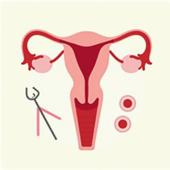
Gynecological examination refers to the examination of the vulva, vagina, cervix, uterus, fallopian tubes, ovaries, parametrial tissues, and the inner wall of the pelvic cavity, which can provide an early diagnosis for some gynecological diseases. It mainly includes general examination, abdominal examination, and pelvic examination, with pelvic examination being unique to gynecology.
General Examination
Includes measuring body temperature, pulse, respiration, and blood pressure, and if necessary, height and weight. Other examinations are similar to other internal medicine physical examinations.
Abdominal Examination
Includes inspection, palpation, percussion, and auscultation of the abdomen.
Pelvic Examination
Vulvar examination: Observe the vulvar hair, skin, mucous membranes, etc., for any abnormalities.
Vaginal examination: Check if the vaginal mucosa surface is smooth, if its texture is normal, if there are any bleeding spots, and if the character and odor of vaginal secretions are normal.
Cervical examination: Observe the cervix for any masses, ulcers, erosions, polyps, if the cervical size is normal, if the surface is smooth, if the texture is too hard, and if there is any uterine prolapse.
Bimanual examination: After lubricating the fingers of one hand, the doctor gently inserts two or one finger into the vagina along the posterior wall through the vaginal opening, while the other hand cooperates with the examination on the abdomen. The main purpose is to check for abnormalities in the vagina, cervix, uterus, adnexa, uterine ligaments, and parametrial connective tissue.
Rectovaginal examination: A combined examination of the abdomen, vagina, and rectum, supplementing the bimanual examination. It can assess the size of a retroverted and retroflexed uterus; the presence of lesions on the posterior uterine wall, rectouterine pouch, or uterosacral ligaments, especially the extent of cancer infiltration, as well as lesions in the rectovaginal septum, anterior sacrum, or within the rectum.
Rectal-abdominal examination: Suitable for patients without a history of sexual activity, vaginal atresia, or other reasons making bimanual examination unsuitable.
Other Examinations
Pelvic and vaginal B-ultrasound: Can detect early lesions such as uterine fibroids and ovarian cysts.
Colposcopy: Cannot directly diagnose cancer but can assist in biopsy for cervical cancer screening.
Hysteroscopy: Can simultaneously assess the condition of the endometrium and the patency of the fallopian tubes.
Laparoscopy: This examination is very expensive but highly accurate. It is not suitable for initial visits, but when repeated examinations fail to find a cause, laparoscopy can assess pelvic adhesions and simultaneously perform a fallopian tube patency test, though it requires anesthesia and hospitalization.
Fallopian tube patency test (hydrotubation): Can determine if there is a blockage in the fallopian tubes.
Hormone tests: Including estrogen, progesterone, androgens, follicle-stimulating hormone, luteinizing hormone, prolactin, testosterone, human chorionic gonadotropin, etc. Blood samples need to be drawn between day 2 and 5 of menstruation.
Disease information
Disease name
Gynecological examination
English name
Gynecological examination
Category
Obstetrics and Gynecology
Subcategory
Gynecology
Related departments
Gynecology
Obstetrics and Gynecology
83
Related hospitals
71
Related doctors