
Internal MedicineCardiovascular Medicine
Arrhythmia
Arrhythmia
Disease overview
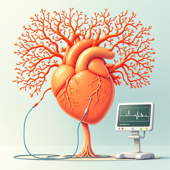
Arrhythmia refers to a general term for symptoms such as irregular, fast, or slow heartbeats caused by abnormalities in the heart's electrical conduction system.
Common arrhythmias include sinus brady...
Detailed description
Arrhythmia refers to a general term for symptoms such as irregular, fast, or slow heartbeats caused by abnormalities in the heart's electrical conduction system.
Common arrhythmias include sinus bradycardia, sinus tachycardia, premature beats, supraventricular tachycardia, and ventricular tachycardia (ventricular flutter, ventricular fibrillation).
Arrhythmias are common in the elderly, and their causes are complex and diverse. Organic heart disease, endocrine disorders, electrolyte imbalances, and drug poisoning are the main causes of arrhythmias.
Mild arrhythmias generally have no obvious symptoms, while severe cases may experience palpitations, chest tightness, sweating, and fatigue. Critically ill patients may experience syncope or even sudden death.
Disease information
Disease name
Arrhythmia
English name
Arrhythmia
Category
Internal Medicine
Subcategory
Cardiovascular Medicine
Related departments
Cardiovascular Medicine
91
Related hospitals
120
Related doctors